
Understanding Uneven Pigment
Melasma and other forms of hyperpigmentation cause darker patches on the face or body. Melasma often appears as brown or gray-brown areas on the cheeks, forehead, upper lip, or chin. Other dark spots may follow acne, injury, inflammation, or sun exposure.
These conditions are common and treatable, but they can be stubborn. Pigment cells respond to hormones, heat, and ultraviolet light, so care usually combines clinical treatment with strong daily protection.
Why Sun Protection Matters
UV exposure is one of the strongest triggers for melasma and post-inflammatory darkening. Broad-spectrum sunscreen, shade, and protective clothing help prevent new pigment and protect the gains from treatment. Visible light and heat can also worsen some pigment concerns, so your dermatologist may suggest additional practical steps for outdoor or high-heat settings.
Dermatology Approaches
- Medical topicals: Prescription lightening or brightening agents, retinoids, and anti-inflammatory formulas may be used to gradually fade discoloration.
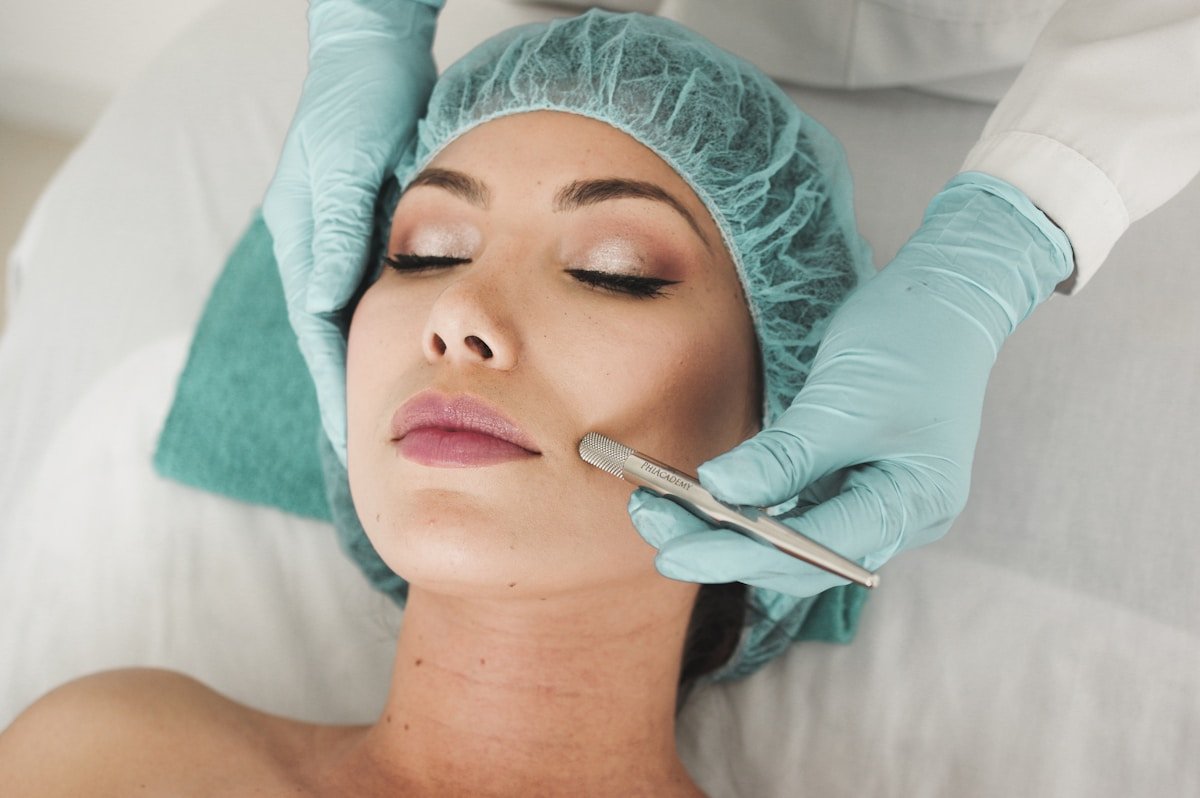
- In-clinic procedures: Selected chemical peels or other office treatments can support clearer tone when chosen carefully for your skin type.
- Laser and light-based options: Certain devices may help specific pigment patterns. Melasma requires cautious selection—aggressive settings can sometimes worsen pigment—so evaluation and follow-up matter.
Improvement is often incremental. Maintenance and sun habits are as important as the procedure itself.
A Personalized Plan
At Osler Specialty Clinic, we assess the pattern of your pigment, your skin type, and any triggers such as pregnancy history, hormonal factors, or prior treatments. Together we set expectations and choose a plan that aims for steadier tone without unnecessary irritation.