
Why Acne Happens
Acne develops when oil, dead skin cells, and bacteria clog pores. Hormones, genetics, skincare habits, and some medications can all play a role. Breakouts may appear as blackheads, whiteheads, papules, pustules, or deeper cysts—and the right approach depends on the type and severity.
Over-the-counter products help mild cases for some people, but persistent, painful, or scarring acne often benefits from a dermatologist’s evaluation.
When to See a Dermatologist
- Breakouts that do not improve after several weeks of consistent, gentle care
- Inflamed or cystic lesions that leave marks or scars
- Acne that affects confidence, sleep, or daily life
- Sudden or adult-onset acne that needs a medical workup
Early guidance can help limit inflammation and lower the chance of lasting texture or pigment changes.
Treatment Options
Care plans are individualized. A dermatologist may recommend one or a combination of approaches:
- Topical therapies: Prescription retinoids, benzoyl peroxide, antibiotics, or other agents that unclog pores and reduce inflammation.
- Oral medications: When appropriate, systemic options may be used for moderate to severe or hormonally influenced acne.
- In-office procedures: Extractions, chemical peels, or other clinic treatments may support clearer skin as part of a broader plan.
- Laser and energy-based care for scars: Once active acne is controlled, selected laser or resurfacing options may help soften the appearance of acne scars. Results vary, and more than one session is often needed.
No single treatment works for everyone. Progress is usually gradual, and maintenance care is often part of keeping results stable.
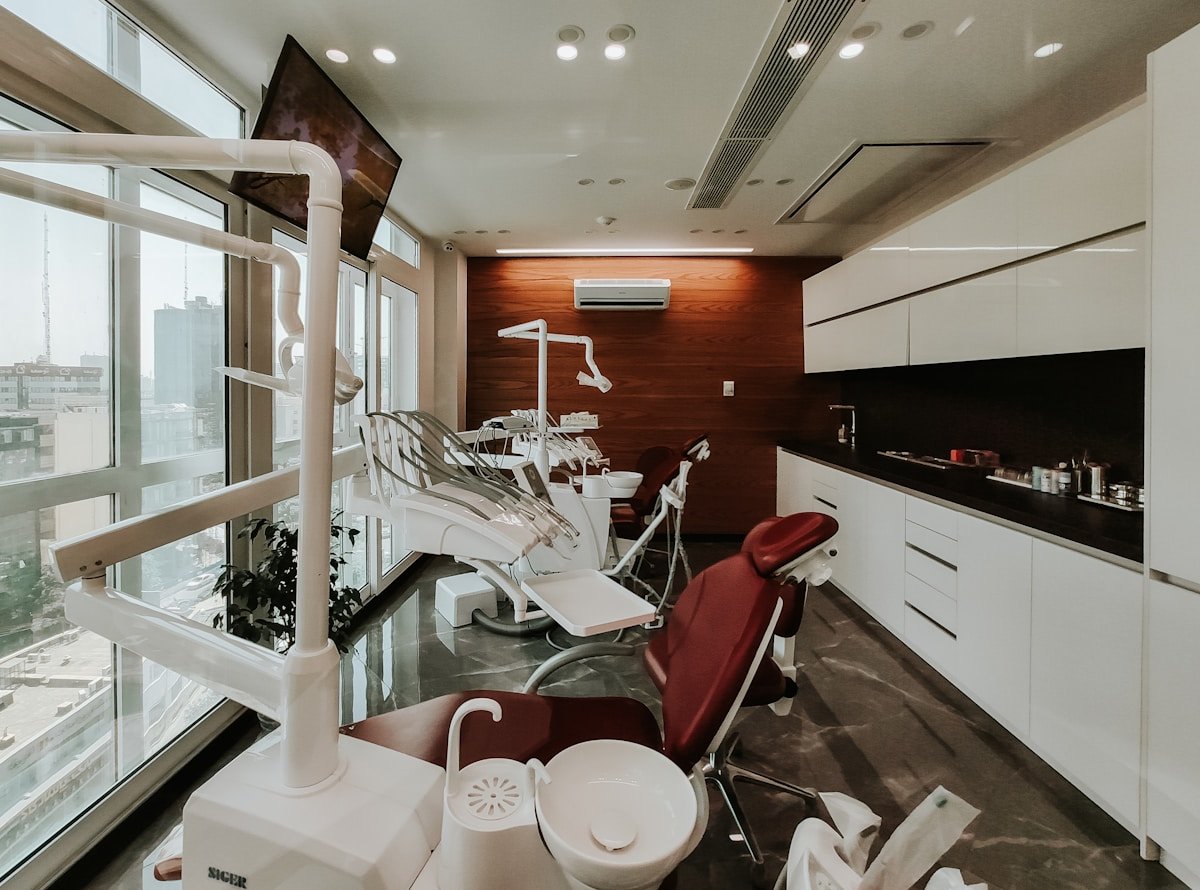
What to Expect at Osler Specialty Clinic
During your visit, we review your history, examine your skin, and discuss realistic goals. We explain options, expected timelines, and how to care for your skin at home so treatment fits your lifestyle and skin type.